

Welcome to the Live Your Own Adventures blog, where I share stories, tips, and insights to inspire and empower your adventurous lifestyle. Dive into articles covering a range of topics from fitness and endurance training to personal growth and lifestyle changes.
Explore my latest posts and get ready to live your own adventures!
Discover Adventure Insights!
Enjoying the blog?
Get my free Coach’s Race-Day Prep Kit and my best training tips, stories, and event updates — straight to your inbox.

Why Your Long Run Isn’t Enough
A lot of runners treat the long run like a magic trick. If they just keep pushing it farther each week, the fitness, speed, and confidence will all fall into place.
It works… until it doesn’t.
Don’t get me wrong: the long run matters.
In fact, when I’m talking with my athletes, I tell them it’s the #1 priority run of the week. If life gets messy and you only have time for one key session, make it the long run. That’s the cornerstone of endurance.

Tired Doesn’t Always Mean Done
It’s workout time.
You’re staring at your shoes, feeling sluggish, heavy, and not at all like moving. The little voice in your head whispers, “Not today.”
So you give in — telling yourself you’re being smart, that you’re too tired, and rest is the better choice. Maybe you even promise you’ll “make it up tomorrow.”

Stop Waiting for Certainty
Big goals don’t happen by accident.
They demand commitment—the kind that lasts long after the excitement fades. Some days you’ll push through walls. Other days you’ll just drag yourself one small step further. Without that drive, nothing meaningful gets built.

Train Like an Athlete
A lot of runners think the big difference between amateurs and athletes is talent. Or genetics. Maybe an almost brutal work ethic.
But that’s not it.
The difference is that athletes train with purpose.
They’re not just logging miles or chasing workouts they saw online—they’re building something over time, with a plan that reflects their goals and lives.

Train for Progress, Not to Prove a Point
There’s this belief that a lot of runners carry—whether they’re new or experienced: That you have to earn your miles.
Not just run them. Earn them.
That if your workout wasn’t hard or fast, it doesn’t count.

You Don’t Need to Do It Like Them
When I was thinking about leaving my old career as a game developer, I waited way too long to make the jump.
I knew for years that I was checked out. I could still do the work, but the passion was long gone. Even when the projects were big, they didn’t feel bold anymore—just familiar and recycled.
The industry felt stuck, and I was stuck in it.
But every time I thought about making a change, it felt like I was too far into life to start over.

Measure What Matters Most
Most athletes don’t quit because they stop caring. They quit because they stop knowing what’s working.
You’re putting in effort—but the feedback loop’s broken. You’re staring at pace charts and heart rate zones, but they don’t answer the real question: Am I getting better at the thing I care about?
That’s where data can either help or hijack your training.

Strong Looks Different in Different Seasons
You ever scroll back through photos or dig up an old training log and think, “I used to be stronger.”
Not just faster or fitter. But more driven. More locked in. More sure of what you were doing and why.
It’s easy to turn that past version of yourself into the gold standard. The one who had more time, or maybe just more momentum. And it’s just as easy to look at where you are now and wonder if you’ve slipped—like you’re off-track somehow, even if nothing’s actually broken.
But strength isn’t one shape. It’s not a pace you once held or a streak you managed to keep alive. It’s not locked to one phase of your life.
Progress Is More Than Performance
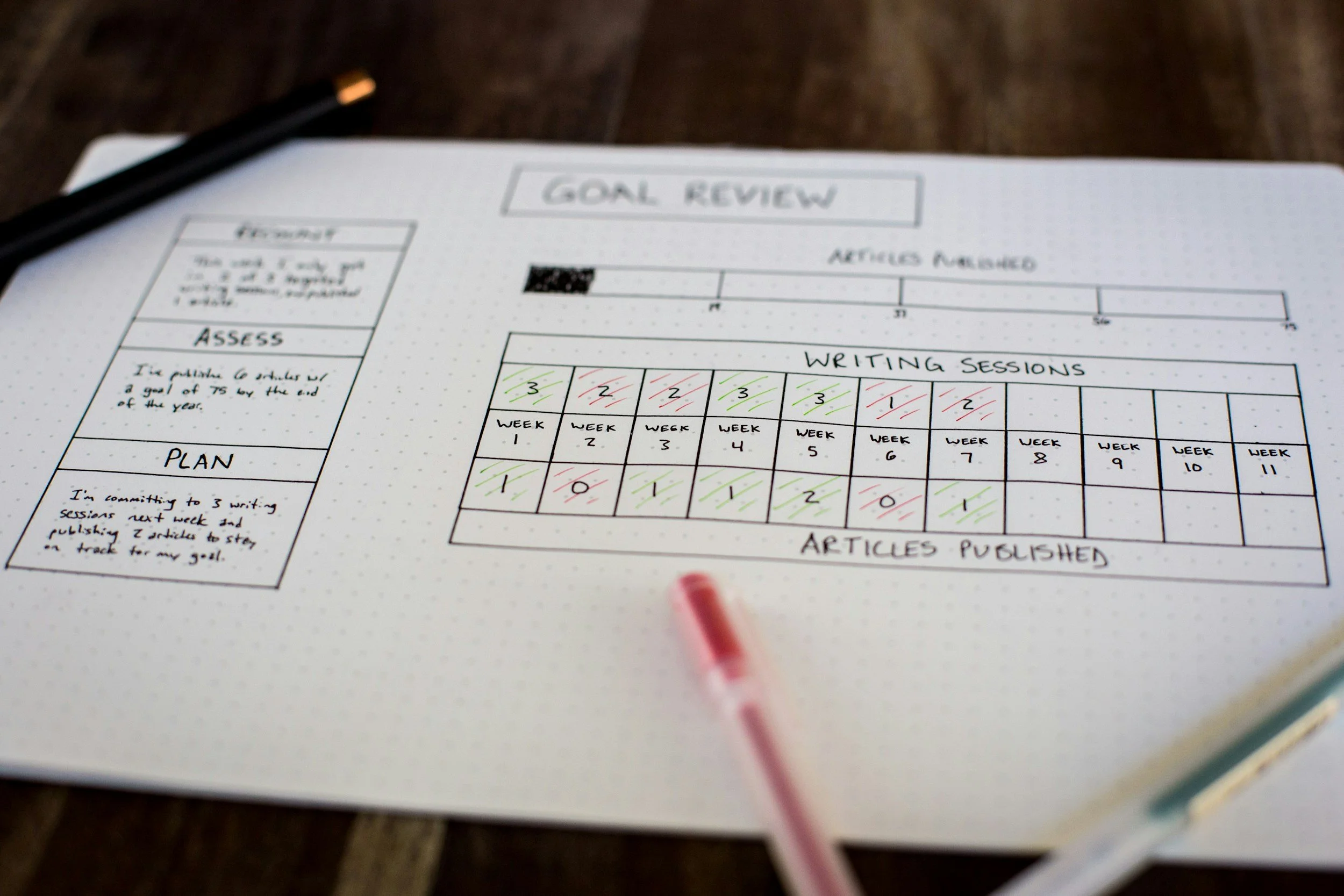
Some weeks, it feels like nothing’s changing. You’re showing up and doing the work. But when you look at the numbers, it all feels… flat.
But zoom out.
Look at the last six months. The last year. You’ve changed—even if it didn’t show up in a single stat or breakthrough moment.
Because real progress doesn’t always show up in metrics. It shows up in how you move through the day. How you recover. How you handle setbacks. How you show up when it’s not exciting. How you stop spiraling every time something goes sideways.

The Effort Scale That Actually Works
Some workouts are measured by pace. Others by heart rate. And others by power, splits, reps, or time.
But no matter what numbers you track—there’s one variable that matters across every training style: effort.
Not just how hard the session was. But how hard it felt.

It Still Counts When It’s Easy
Some days, it’s easy.
You settle into the run. The movement feels smooth. Your breath stays steady. No strain, no grind. You finish with fuel left in the tank and a steady kind of confidence.
And then, that voice creeps in. “Did that even count?”
We’ve been taught that effort only matters if it feels extreme. That a workout isn’t “real” unless it leaves you gassed, sore, and dripping in sweat.
But that mindset will wear you down.

No One’s Judging You — Except You
Do you ever feel like you're constantly being analyzed? Like everything you do gets judged?
And not just the big decisions—everything. How you spend your morning. What you say no to. Whether you're doing “enough” with your time. How productive you are. What your body looks like. How clean your house is. Whether you’ve “made it” by now. Even how you relax—like there’s a right and wrong way to rest.
It creates this constant pressure, like someone out there is tracking every move.
I lived in that space for years.
Unlearn to Improve
Every athlete, at some point, gets stuck—not from a lack of effort, but from holding onto rules that no longer serve them.
The issue usually isn’t motivation. It’s that the systems you’re following were built for an earlier version of you. Maybe they worked when you were training for your first race, or coming back from injury, or trying to build a habit. But now? They might be limiting your progress more than they’re supporting it.
Outdated pacing charts, rigid 6-day splits, chronic Zone 3 riding, one-size-fits-all fueling strategies—these hang around long after they stop making sense for your goals, physiology, or schedule.

You Don’t Owe Anyone a Reason to Train
We talk a lot about why people train. What they’re working through. What they’re trying to fix. What they’re bouncing back from. And sure, those stories matter.
But here’s something we don’t say enough: You don’t need a crisis, a milestone, or some big story to start training.
You don’t need to fix anything first. You don’t need to earn it.
You’re allowed to train just because it feels good, supports your energy, or fits your life right now. Because it clears your head. Because it makes you feel strong. Because you like how it makes your life feel.

Permission Starts With You
We all pick up rules as we grow—some are said out loud, but most just sneak in.
You hear them at home, at school, on teams, in church, at work. You absorb them from ads, movies, social feeds, even your friends. Over time, they start to feel like truth.
Be productive. Look the part. Don’t complain. Work harder. Don’t fall behind. Earn your spot. Earn your rest.
But here’s the thing—most of these rules were never really yours. You didn’t decide they made sense. You just took them in. Because they were everywhere. Because people you trusted followed them too.

Use Seasons and Cycles to Avoid Burnout
In theory, the perfect training year looks like steady, uninterrupted progress.
In real life, it looks more like a wave.
Work gets busy. Life throws curveballs. Energy dips. Then it clears up again—and you’re ready to push. That’s not a failure of discipline. That’s the natural rhythm of being human.
The problem is, most people ignore that rhythm. They try to train at the same level all year. Same pace. Same expectations. Same intensity. And when real life doesn’t cooperate, they feel like they’re falling behind.

Endurance Is Emotional Too
Long-term goals sound great—until you're stuck in the middle of them.
At the start, everything feels exciting and new. You're motivated, focused, ready, and excited to show up.
But a few weeks in, the shine starts to wear off. Progress slows. Wins feel smaller. Challenges start to show up. And that early momentum gets replaced by routine—and sometimes, by doubt and frustration.
You start wondering if you're doing it right. If you're doing enough. If you're falling behind.
And no one really talks about that part.

Design a Year That Doesn’t Burn You Out
There’s a big difference between working hard and always being in grind mode.
Most burnout doesn’t come from one brutal week or a tough training cycle. It builds slowly—from always pushing, never recovering, and never giving yourself permission to shift gears.
The problem isn’t intensity. It’s staying in intensity mode all the time.
And the truth is, your body isn’t built to peak year-round—and neither is your life.

Track Recovery Smarter (Not Just More)
It’s easier than ever to track your recovery.
HRV, sleep scores, readiness ratings, strain calculations—every wearable has a dashboard, and most athletes have at least one device feeding them data every day.
But more tracking doesn’t always mean better insight.

Rest Is a Skill
We’re not set up to rest well in modern times.
Even when we stop working, we don’t really recover anymore. Our minds keep spinning. Our phones keep buzzing. We “take breaks” by scrolling, bingeing content, stressing, and checking in on something else that feels important.
But we never fully let go.