

Welcome to the Live Your Own Adventures blog, where I share stories, tips, and insights to inspire and empower your adventurous lifestyle. Dive into articles covering a range of topics from fitness and endurance training to personal growth and lifestyle changes.
Explore my latest posts and get ready to live your own adventures!
Discover Adventure Insights!
Enjoying the blog?
Get my free Coach’s Race-Day Prep Kit and my best training tips, stories, and event updates — straight to your inbox.

You Didn’t Go Backward
Most people think they went backward when nothing moved forward.
A day without progress is considered a loss. A missed workout feels like a setback. A day where nothing changes gets lumped in with days where things actively fall apart. That misread turns neutral days into proof that something is slipping.
Finding Fitness in the Gaps
Two hundred years ago, no one talked about fitness the way we do now.
There were no gyms. No training plans. No workouts to complete or skip. Physical effort showed up because daily living demanded it. Walking long distances. Carrying tools or supplies. Lifting, climbing, hauling, working on your feet. Strength and endurance weren’t trained on purpose — they were built as a byproduct of living.
Movement wasn’t something you evaluated. It was simply a regular part of life.

Treat It Seriously or Let It Go
Most people are carrying at least one goal they’ve been talking about for years.
Start the business. Write the book. Get in shape. Run a race. Travel somewhere they’ve always talked about. Learn a language. Take a class. Pick up an instrument. Learn to paint. Build something of their own. Change careers. Start a family. Leave a place that no longer fits.
These aren’t passing ideas. They’re the ones that keep resurfacing. The ones you think about when you talk about the future. The ones that feel familiar because you’ve been carrying them for so long.

Train Like It Matters to You
Most of us know what it feels like to go through the motions.
You show up. You do something that counts as training. You leave knowing you put time in, even if it didn’t ask much from you that day. That kind of session often comes from limited space, not a lack of care.
You still tell yourself this matters. You still hold the idea of better fitness, more energy, or a bigger goal somewhere in the background. But when you look honestly at the week, training never reaches the level where it can change anything.

What Real Pressure Reveals
Lately, I’ve been paying attention to where things start to break down for people who are genuinely trying. Not beginners or people avoiding effort, but people who show up consistently, who care about what they’re building.
Everything works while demand stays reasonable. Work gets done. Routines hold. Energy feels stable enough. Progress is happening.
Then pressure increases.

When the Race Gets Real
You train for months and start to feel strong. Workouts go well. Recovery feels manageable. Your body gives you plenty of evidence that it’s ready.
Race day comes, and you take off from the start. The noise, the movement, the rush of bodies all around you carry you through the early miles. Everything feels solid — until it doesn’t.
First it’s a tightening you try to ignore. Then a funny ripple in the muscle. Then the unmistakable signal that the cramp is coming.

A Bigger Life Needs a Direction
Lately, a lot of people I’ve talked to just want to check out.
There’s no definition or direction. Just a move away from pressure and a push toward nothing. It’s a vague hope that if they could step far enough back from the noise, clarity and contentment would show up on their own.

Dream Bigger Than Your Current Fitness
As a coach, I talk to people about fitness all the time. And most of those conversations stall out before people can name a specific outcome they’re training toward.
People say they want to be healthier. They say they want more energy. They want a better diet. They wish they could run. They say they know they should be doing something. But when it comes time to name what they’re building toward, the answer is usually vague.

Big Goals Require Continuity
Once we commit to something big and finally start, there’s an initial stretch where things feel smooth.
The plan is clear, and the work has a place. Early effort brings energy and feedback. It’s exciting, and for a while, it feels like the hardest part of getting started is behind us.
We’re no longer deciding whether to pursue a goal. We’re doing it.
What a Half Ironman Actually Requires
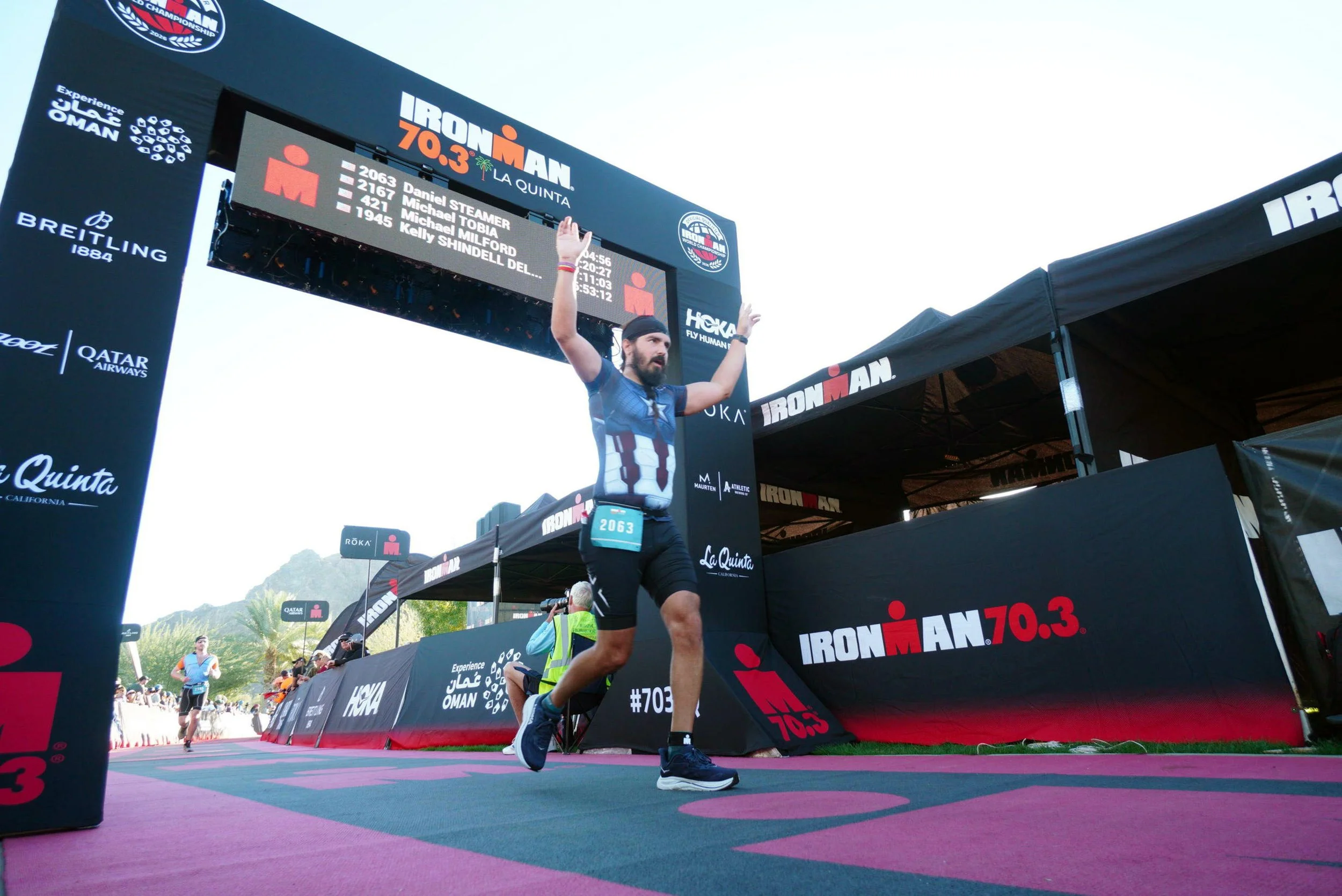
Last month, in the first week of December, more than two thousand athletes woke up around 4 a.m. and moved through the dark of the Palm Springs desert. We stood in line for shuttles, half awake, making small talk about how we found ourselves there.
The ride to the lake took about twenty minutes. Mostly just quiet, nervous jokes with the strangers riding next to you. When we were dropped off at transition, our bikes and wetsuits were already there, exactly where we’d left them the night before.

Staying Awake in a World Built for Autopilot
Most people don’t choose to live on autopilot. It happens quietly.
A tool makes something easier by narrowing the field of options. A system smooths things by removing a choice you used to make intentionally. A default option saves time by skipping the question entirely. A recommendation tells you what’s “best” before you’ve paused long enough to see whether it actually applies.
At first, it feels like relief to have less to think about. Fewer decisions to make means more energy for what matters.
Fitness in the Age of AI
Fitness has always followed the tools people had access to.
Long before technology, people trained by feel, observation, and shared knowledge passed down over time.
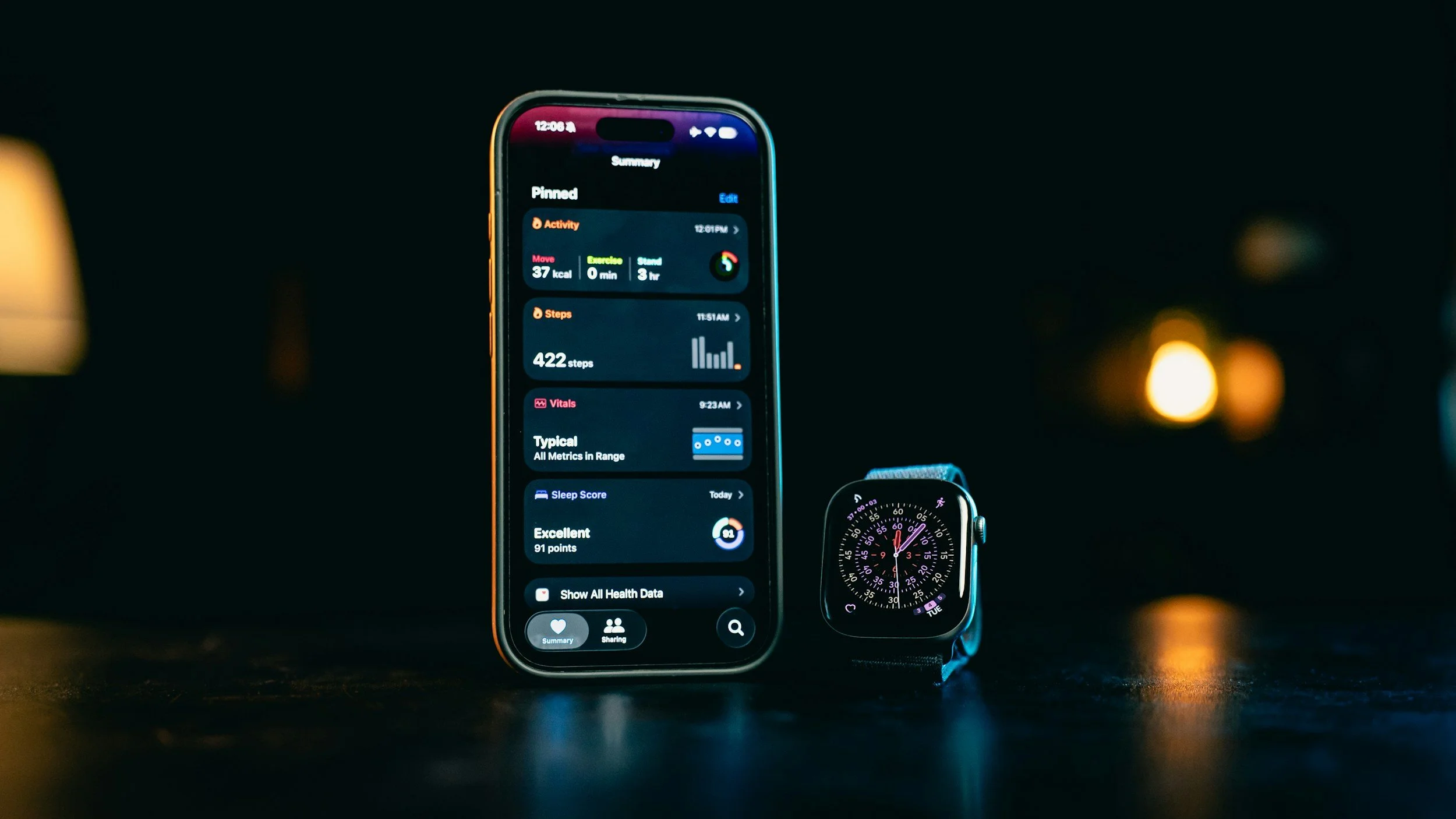
As tools entered the picture, they changed how training was understood and applied. Heart-rate monitors changed how people trained. GPS watches made pace visible. Training apps provided structure for anyone willing to follow a plan.

Create From Nothing This Year
Most of us started out resourceful.
As kids, we built entire worlds from imagination alone. We turned empty rooms and woods, long afternoons, and whatever we had on hand into stories and experiments that challenged us.
We didn’t wait for permission or the right setup to begin. We didn’t need credentials or certainty to do things. We didn’t care about success or approval.

Set Expectations That Hold Up Over Time
At this point in the process, a lot of people usually feel two things at once: clarity and pressure.
They know what they’re building toward. They’ve got an understanding of the habits that will shape their future, and which ones they can fit into their life right now. They’ve adjusted their environment so those habits have a fighting chance. And now the question quietly shifts from what to how fast.
This is where a lot of good plans fall apart.

I’m Done Arguing With the Signals
Most running problems start way before they become obvious.
Things like lasting fatigue and injuries are usually preceded by clear stress indicators that often get brushed aside. Elevated resting heart rate. HRV trending down. Poor sleep stacking up. Lingering aches or soreness that isn’t going away. Feeling sick all the time.
These body signals aren’t just random noise or a normal part of training. They’re early warnings.
The Work That Pays Off Looks Boring
Most people expect meaningful progress to look impressive while it’s happening. Like there should be some visible signal that the effort is real — something you could point to and declare boldly, this is what improvement looks like.
That expectation gets fed to us constantly.

Shape the Environment That Supports You
At this point, in Part 3, Choose the Habits That Close the Gap, you’ve done the choosing.
You know what you’re building toward. You’ve identified the habits that reflect who you want to become. You’ve scaled them down to something you can repeat and given them a place to start in your week.
For many people, even when they’re ready, progress still struggles because their environment is in the way.

3 Simple Reasons to Start Running Next Year
Almost everyone starts the new year with the same quiet goal in the background: I want to feel better in my body this year.
More energy. More confidence. Better sleep. More focus. Less stiffness. Less stress. A sense that you’re living a healthy life.
For a lot of people, getting started stalls because there are too many choices and no clear first step.
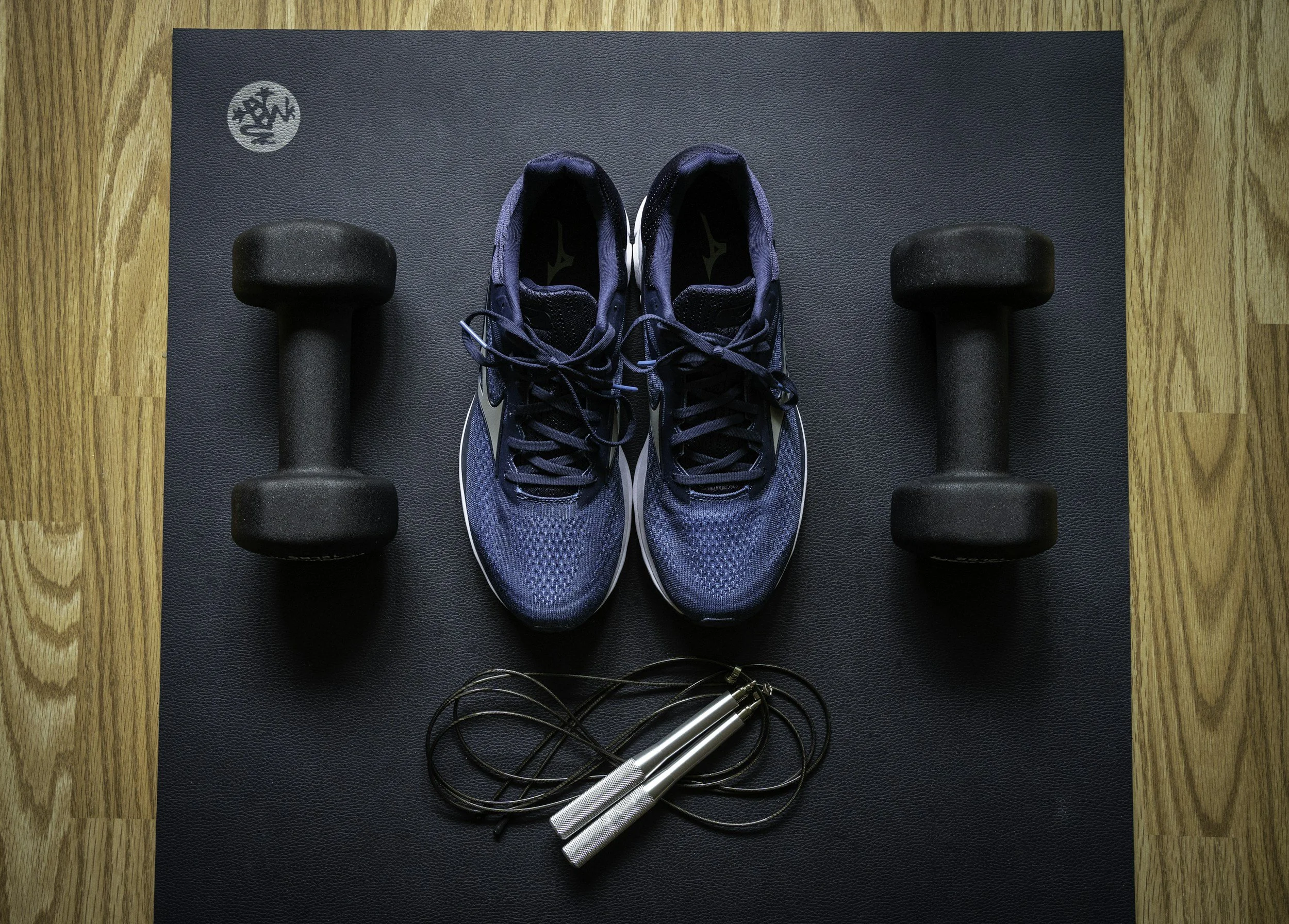
There’s Only One Workout That Matters
A lot of people spend years chasing the perfect workout.
Spend enough time online, and you’ll see it everywhere: harder plans, smarter splits, “science-backed” routines, and bodies used as proof that this one program is the best.
The message is constant and in your face — if you’re not improving fast, you’re missing the right workout.

Choose the Habits That Close the Gap
You know where you’re going. You know what your goals require. And you can see where your current life doesn’t yet support that work.
Closing that gap is central to getting where you want to be.
This is the point where a lot of people stall. They’ve done the thinking, they’ve named the demands, and then they either freeze under the scale of the work or overcorrect by trying to take on everything at once. Others stay stuck in analysis, continuing to re-evaluate the gap instead of taking action to close it.