

Welcome to the Live Your Own Adventures blog, where I share stories, tips, and insights to inspire and empower your adventurous lifestyle. Dive into articles covering a range of topics from fitness and endurance training to personal growth and lifestyle changes.
Explore my latest posts and get ready to live your own adventures!
Discover Adventure Insights!
Enjoying the blog?
Get my free Coach’s Race-Day Prep Kit and my best training tips, stories, and event updates — straight to your inbox.

Staying Awake in a World Built for Autopilot
Most people don’t choose to live on autopilot. It happens quietly.
A tool makes something easier by narrowing the field of options. A system smooths things by removing a choice you used to make intentionally. A default option saves time by skipping the question entirely. A recommendation tells you what’s “best” before you’ve paused long enough to see whether it actually applies.
At first, it feels like relief to have less to think about. Fewer decisions to make means more energy for what matters.
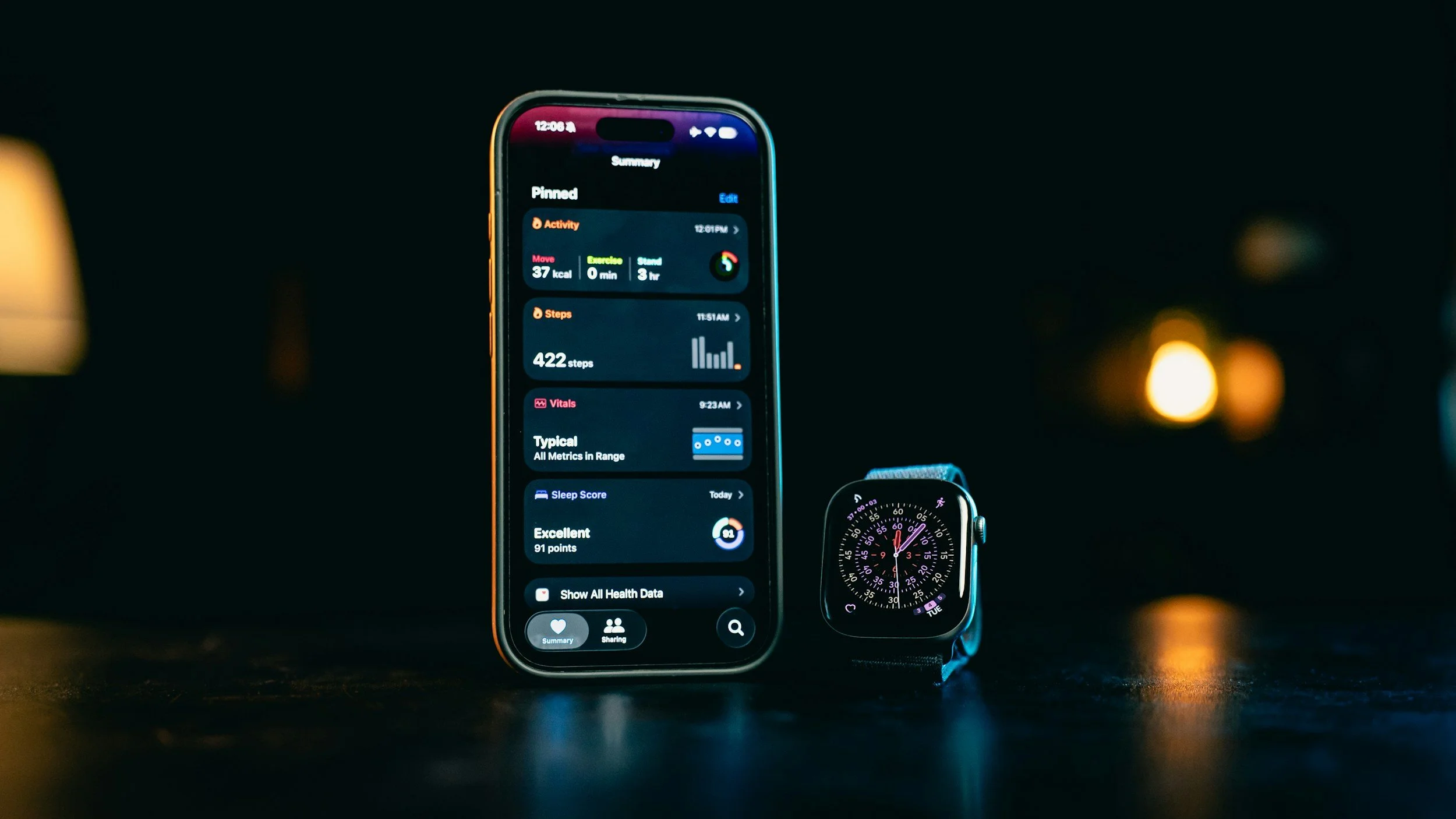
Fitness in the Age of AI
Fitness has always followed the tools people had access to.
Long before technology, people trained by feel, observation, and shared knowledge passed down over time.
As tools entered the picture, they changed how training was understood and applied. Heart-rate monitors changed how people trained. GPS watches made pace visible. Training apps provided structure for anyone willing to follow a plan.

Create From Nothing This Year
Most of us started out resourceful.
As kids, we built entire worlds from imagination alone. We turned empty rooms and woods, long afternoons, and whatever we had on hand into stories and experiments that challenged us.
We didn’t wait for permission or the right setup to begin. We didn’t need credentials or certainty to do things. We didn’t care about success or approval.

Set Expectations That Hold Up Over Time
At this point in the process, a lot of people usually feel two things at once: clarity and pressure.
They know what they’re building toward. They’ve got an understanding of the habits that will shape their future, and which ones they can fit into their life right now. They’ve adjusted their environment so those habits have a fighting chance. And now the question quietly shifts from what to how fast.
This is where a lot of good plans fall apart.

I’m Done Arguing With the Signals
Most running problems start way before they become obvious.
Things like lasting fatigue and injuries are usually preceded by clear stress indicators that often get brushed aside. Elevated resting heart rate. HRV trending down. Poor sleep stacking up. Lingering aches or soreness that isn’t going away. Feeling sick all the time.
These body signals aren’t just random noise or a normal part of training. They’re early warnings.

The Work That Pays Off Looks Boring
Most people expect meaningful progress to look impressive while it’s happening. Like there should be some visible signal that the effort is real — something you could point to and declare boldly, this is what improvement looks like.
That expectation gets fed to us constantly.

Shape the Environment That Supports You
At this point, in Part 3, Choose the Habits That Close the Gap, you’ve done the choosing.
You know what you’re building toward. You’ve identified the habits that reflect who you want to become. You’ve scaled them down to something you can repeat and given them a place to start in your week.
For many people, even when they’re ready, progress still struggles because their environment is in the way.

3 Simple Reasons to Start Running Next Year
Almost everyone starts the new year with the same quiet goal in the background: I want to feel better in my body this year.
More energy. More confidence. Better sleep. More focus. Less stiffness. Less stress. A sense that you’re living a healthy life.
For a lot of people, getting started stalls because there are too many choices and no clear first step.

There’s Only One Workout That Matters
A lot of people spend years chasing the perfect workout.
Spend enough time online, and you’ll see it everywhere: harder plans, smarter splits, “science-backed” routines, and bodies used as proof that this one program is the best.
The message is constant and in your face — if you’re not improving fast, you’re missing the right workout.

Choose the Habits That Close the Gap
You know where you’re going. You know what your goals require. And you can see where your current life doesn’t yet support that work.
Closing that gap is central to getting where you want to be.
This is the point where a lot of people stall. They’ve done the thinking, they’ve named the demands, and then they either freeze under the scale of the work or overcorrect by trying to take on everything at once. Others stay stuck in analysis, continuing to re-evaluate the gap instead of taking action to close it.

Why Fitness Advice Fails Most Adults
Most fitness advice sounds reasonable on the surface. It’s the type of stuff we’ve heard our whole lives — train a few days a week, lift heavy, add cardio, be consistent, and recover well.
On paper, it all makes sense.
But most fitness advice fails because it starts from a baseline most adults don’t actually have. That baseline assumes capacity that most people are still trying to build.

Understand What Your Goals Really Require
Most people fall in love with a goal before they look at what it asks of them. They get stuck in the dreaming stage — imagining the finish line and the feeling of success — but never slow down long enough to understand the work it will take to get there.
But every meaningful goal comes with real requirements — time, energy, consistency, skills you may not have yet, tradeoffs you’ll need to accept, changes your life has to support, and so much more.
This step isn’t about talking yourself out of your goals. It’s about being honest about the hill you’re choosing to climb, so the climb feels possible instead of running headfirst into overwhelm.

Your Big Goal Isn’t as Impossible as It Looks
For a lot of people, big fitness goals have a way of looking impossible.
Running 13 miles without stopping. Lifting their own bodyweight. Signing up for a race that lasts for hours instead of minutes. Even something like swimming 500 yards can feel like a different universe when you’re not used to the water.
Most people don’t even consider the possibility of it.

Stop Aiming for “Normal”
Most people assume the average adult is getting a decent amount of exercise.
It’s an easy belief to fall into because we see fitness content everywhere. We see people posting workouts, talking about steps, and signing up for races, so it feels like regular movement is the norm.
But that picture doesn’t match reality.

Define Where You’re Going
A lot of people roll into January with excitement but without a real direction.
Goals end up being picked on the fly, if at all. Plans get built on top of chaos and old routines. And by February, the whole thing feels too heavy, and most people just default back to who they were the year before.
So we’re switching things up here for the next few weeks.

Why Fast Starts Make Slow Finishes
The strange thing about racing is how many runners repeat the same mistake every time.
The start goes off, the pack explodes forward, and for a while, everything feels smooth and effortless. Breathing stays easy, your legs turn quick, and it feels like this might finally be the race where everything clicks and you crush a PR.
It’s a rush that pulls you in before you even notice it happening.

When Workouts Turn Into Something Bigger
A lot of people start their personal growth journey in the gym.
Exercise is simple, accessible, and gives quick rewards — better energy, a clearer mind, a little confidence boost. For a while, that’s enough. You show up, you sweat, you feel good, and life feels a little more in control.
But eventually those early gains level out.

Why Most People Quit Before the Breakthrough
Most people don’t quit because their goals are too big. They quit because every long effort has a middle section where everything gets quiet.
The work keeps going, the intention is still there, but you stop getting the feedback you were getting before. You’re moving, but you can’t see anything changing. You’re working just as hard as before, but without the encouragement that used to steady you — and that gap between effort and reassurance is where people start questioning the whole thing.
You’ve probably felt that stretch before.

Where the Impossible Starts to Feel Normal
We all have assumptions about our limits — about what we can handle, how far we can go, and where the edge of our capabilities sits.
Most of the time, though, those beliefs haven’t been tested. They come from older versions of ourselves, built in moments where we didn’t have the skills or strengths we have now. And without testing them regularly, they tend to stay in place.
Those assumptions are almost always smaller than the truth — and nothing makes that clearer than endurance sports.

When the Easy Progress Ends
There’s a point in every training cycle where things slow down.
Not in some huge shift. It just stops feeling like every run or lift gives you a fresh win.
When you start something new, the early stretch can fool you. Your body responds fast to the new stimulus, the successes stack up quickly, and it’s easy to think the fast gains are the new normal.